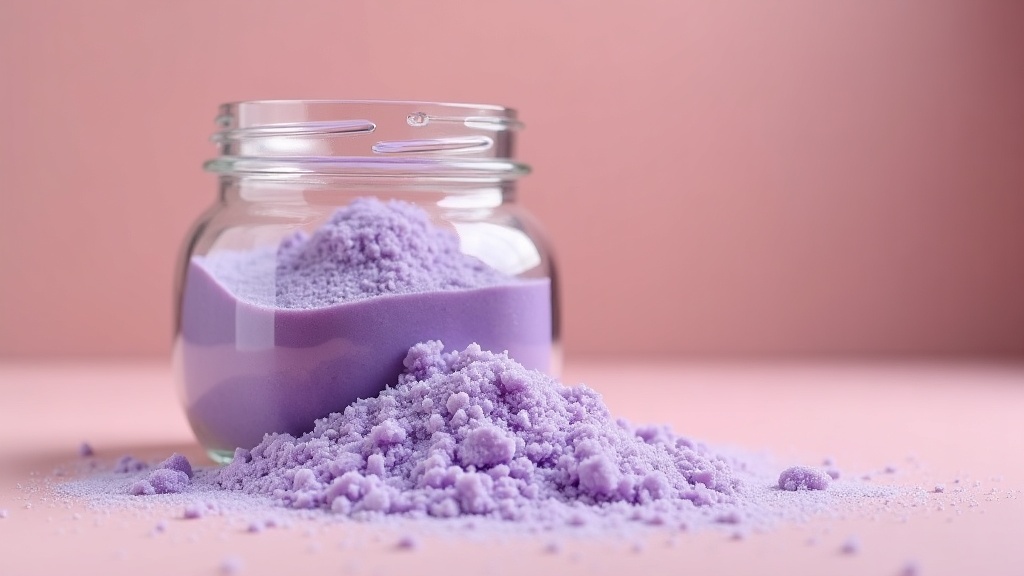
This video looks at the traditional pairing of baking soda e gelatin, a combination many women’s kitchens quietly kept for generations, and how today’s understanding of collagen and satiety adds new context to that old habit.
A woman notices her rings fit differently one morning, her skin feels less taut after a shower, and dinner doesn’t satisfy the way it once did. These small, everyday observations often point to shifts worth understanding rather than ignoring.
The body's natural collagen output gradually declines over time, which can influence how skin and connective tissue look and feel.
The way fullness is communicated between the gut and brain can change, affecting how satisfied a meal feels afterward.
Muscle mass tends to decrease gradually with age and hormonal changes, altering overall body composition over the years.
Approaches built solely around calorie counting often overlook satiety, tissue composition, and how food quality plays into the picture.
Metabolism and weight are frequently oversimplified in popular conversation. Here is a closer, more grounded look.
Metabolism completely stops after a certain age.
Metabolic rate shifts gradually over time and is shaped by many overlapping factors, not a single switch that flips off.
Eating less is always the answer.
The amount eaten matters, but nutrient quality, satiety, and consistency also play meaningful roles.
The number on the scale tells the whole story.
Body composition, energy levels, and how clothing fits often reveal more than weight alone.
Rather than a strict program, this approach centers on observation and small, repeatable habits over time.
Start by paying attention to daily signals such as energy, digestion, skin texture, and how meals feel afterward.
Make small, consistent changes to everyday kitchen habits rather than attempting dramatic overhauls all at once.
Let the habit repeat gently across weeks rather than days, allowing patterns to settle in naturally.
Long before collagen became a wellness buzzword, many home kitchens simmered gelatin-rich stocks and broths, sometimes with a pinch of baking soda added to the pot. Grandmothers used this combination to tenderize tougher cuts of meat and to draw out a richer, more gelatinous broth. It was practical, resourceful cooking passed down through observation rather than laboratory study.
Insight: Traditional kitchens often paired gelatin-based stocks with baking soda for texture and practicality long before the modern wellness conversation gave those ingredients new names.
Feeling hungry again shortly after a full meal can be a sign that satiety signaling isn't working the way it once did.
Skin that feels thinner, drier, or slower to bounce back may reflect changes in underlying collagen support.
Stiffness in the knees, hands, or hips after sitting or sleeping is worth noting rather than dismissing as routine.
Shifts in weight that don't clearly track with diet or activity can point to broader changes in body composition.
A predictable slump in energy each afternoon may be tied to how meals are being metabolized and absorbed.
Nails that split or break more easily than before are sometimes mentioned alongside broader collagen-related changes.
Testimonials reflect individual experiences and personal opinions. Individual results may vary. These statements have not been evaluated by the FDA and are not intended to diagnose, treat, cure, or prevent any disease.
Hydrolyzed gelatin is gelatin that has been broken down into smaller protein fragments, often making it easier to dissolve and incorporate into foods and drinks.
No. The content is educational and discusses traditional food habits and general wellness concepts, not medical treatment.
Historically, some home cooks combined the two in stock and broth preparation. The video explores that tradition and context.
No. The topics discussed relate to changes many women may notice at various stages of life, not one specific age range.
No. The content is intended for general educational purposes and does not promise any specific outcome.
No special equipment is required. The concepts discussed relate to everyday kitchen habits.
Yes. It’s always recommended to speak with a qualified healthcare professional before making changes to diet or habits.
Watch the video to explore the traditional roots and modern wellness context behind baking soda e gelatin.
Advertising Disclosure: This is sponsored content created for advertising purposes and may contain affiliate links. We may receive compensation for actions taken through links on this page, at no additional cost to you.
Content Disclaimer: This content is provided for educational and informational purposes only. It has not been evaluated by the FDA and is not intended to diagnose, treat, cure, or prevent any disease. Always consult a qualified healthcare professional before making changes to your diet, exercise, or wellness routine.
Results Disclaimer: Individual results may vary. Any testimonials or experiences shared reflect personal opinions and are not a guarantee of similar outcomes for any other individual.
© 2026 · All Rights Reserved · /contact/